Glen Echo Ravine
A half-mile of shale gorge cut straight through the north Columbus grid — stone steps, a creek and a small waterfall, ten minutes from Upper Arlington.
 Stone steps descending into the wooded Glen Echo Ravine with a creek running below
What to expect at Glen Echo Ravine
Glen Echo Ravine is the deepest of the wooded gullies that break up the street grid between Clintonville and the University District, and one of the odder pieces of public land in Columbus. Glen Echo Creek has cut a shale and gravel ravine perhaps forty feet below the surrounding houses, and the city's park strip follows it for around half a mile between Indianola Avenue and North Fourth Street. Stone steps and retaining walls from earlier municipal work still line parts of the slope, and volunteer watershed groups have spent years pulling invasive honeysuckle out of it and replanting the banks. The result is a genuinely wild-feeling walk directly beneath a residential neighbourhood — you can hear a lawnmower above you while standing on a creek bed under a full canopy.
Walking it is straightforward but rough. There is no paved loop: the route is a series of informal dirt paths and stone stairways dropping from the rim streets to the creek and running along it. You can enter from the little park at the top near Cliffside Drive, from Indianola Avenue at the western end, or from the eastern end near Fourth Street, where the creek falls over a low ledge into a pool that everybody photographs. The floor of the ravine is shaded, cool and about ten degrees more pleasant than the street in July. Expect stepping stones across the water, occasional fallen trees, and sections that shortcut into other sections. It is impossible to get lost — the walls do the navigating — but easy to get muddy.
Plan for footwear and weather, and nothing else. There is nothing to book, no ticket, no facilities, no map board worth relying on. After rain the creek runs high and the paths turn to slick clay for several days, which is when most twisted ankles happen. Late April and May are lovely, with spring ephemerals on the slopes before the canopy closes; mid-October gives colour and firm ground. Bring a bag for anything you pick up, because litter that washes down the storm system collects in the ravine and volunteer clean-ups are a regular fixture. Do not plan on drinking-water fountains or restrooms: use a High Street cafe before you come.
Getting there from Upper Arlington takes ten to fifteen minutes by car. From Tremont Center, follow Lane Avenue east past the university, cross the Olentangy, then head north on High Street or Indianola Avenue to the Glen Echo streets; free residential street parking is the norm on Cliffside Drive and the roads either side, though you should read the signs for permit zones near campus. On transit, COTA Line 2 runs along North High Street with stops within a five to eight minute walk of the western entrance, at $2.00 a single ride or $4.50 for a day pass. Cyclists can come up the Olentangy Trail and cut east, which adds about a mile from the river.
It costs nothing at all — no admission, no parking meter, no equipment, no guide. This is one of the few Columbus outings where the honest budget line is zero. If you want to spend money, the Clintonville and campus-edge stretches of North High Street are a short walk away, where coffee is about $4-$6, a slice and a drink $8-$12, and a proper lunch $12-$20. Volunteer clean-up days run by watershed groups are free to join and are the most useful way to spend money-free time here if you want to do more than walk. Everything else in the ravine is exactly as public and exactly as unmonetised as it looks.
The best hours are mid-morning and early afternoon, when light actually reaches the creek bed; by late afternoon the ravine is in deep shade and photography becomes a struggle. It is never crowded in the way a Metro Park is, but student traffic picks up on fine weekend afternoons during term. April and May are peak for wildflowers and running water; October for colour. July and August are heavy, humid and mosquito-ridden down by the creek, though the shade is a relief. Winter strips it bare and shows the geology and the stonework better than any other season, but ice on the steps makes the descents genuinely dangerous. Avoid the two or three days after a downpour entirely.
This suits curious walkers, photographers, geology-minded teenagers and anyone who wants a short wild walk without leaving the city. It absolutely does not suit wheelchair users or pushchairs — every route into the ravine involves steps or a steep slope, and there is no accessible alternative. Families with sure-footed children over about six enjoy it as an adventure; toddlers do not. It is a poor choice in heavy rain, a poor choice after dark, and a poor choice if you want facilities, benches and a signed loop, none of which exist. With an hour spare and dry weather, it is one of the most interesting free walks near Upper Arlington.
Nearby, you are on the edge of two of the city's best strolling neighbourhoods. Clintonville's North High Street shops and coffee houses start a five to ten minute walk west. The Ohio State campus and its stadium sit fifteen minutes south by car. Whetstone Park of Roses is three miles north, about ten minutes, and makes an easy contrast: manicured beds after raw ravine. The Olentangy Trail is a mile west and links the whole corridor back toward Upper Arlington by bike. If you are staying in Upper Arlington, the natural shape of the day is ravine in the morning, High Street lunch, and back over Lane Avenue by mid-afternoon.
The honest caveats matter here more than at a managed park. This is an urban ravine carrying storm runoff: after heavy rain the water is not clean, litter accumulates, and you should not wade or let dogs drink. Invasive honeysuckle still dominates parts of the slope despite years of volunteer work. Some entrances are unsigned and look like they cut through someone's back garden, which unnerves first-timers. The waterfall at the eastern end is small — a ledge drop, not a cascade — and people who have seen it in photographs sometimes ask where the real one is. There are no restrooms, no lighting and no phone signal in patches of the bottom. Treat it as a rough, brilliant, unpolished half-hour, not a groomed attraction.
Questions about Glen Echo Ravine
No. It is Columbus public parkland, free to enter at all times, with free street parking on the surrounding residential roads. There is no gate, no kiosk and nothing sold on site. Watch for permit-only parking signs on blocks nearer the university, as those are enforced. The only money you are likely to spend is on coffee or lunch on North High Street afterwards, which runs roughly $4-$6 and $12-$20 respectively.
Entry is free whenever the park is open, nominally 6:00 to 23:00 like other Columbus parks, but the practical window is daylight only — there is no lighting in the ravine and the paths are unsafe in the dark. The best hours are 10:00 to 15:00, when light reaches the creek bed. Weekday mornings are quietest; fine weekend afternoons during the university term bring the most people down the steps.
Plan on about 45 minutes. The ravine runs roughly half a mile between Indianola Avenue and North Fourth Street, and walking down, along the creek and back up takes 30 to 50 minutes depending on how often you stop and how muddy the paths are. Photographers easily spend 90 minutes. If you are pairing it with a walk on Clintonville's High Street, allow two to three hours for the whole outing.
There is no closing day and no seasonal shutdown, but conditions close it in practice. Ice on the stone steps in January and February makes the descents hazardous, and for two or three days after heavy rain the clay paths are slick and the creek runs high and dirty. Occasional volunteer restoration work or storm-damage clearance can block a section. Otherwise it is open, unstaffed and unsupervised year-round.
No booking exists and none is needed. There is no ticketing, no reservation and no official guided walk, though local watershed volunteer groups run periodic clean-up and planting days that anyone can join at no cost. Turn up, pick an entrance, and walk. The only preparation worth doing is checking recent rainfall and wearing shoes with grip; sandals and smooth soles are the main cause of trouble on the descents.
Free street parking on Cliffside Drive and the streets flanking the ravine near Indianola Avenue is the standard approach; check for permit zones nearer campus. COTA Line 2 runs along North High Street with stops a five to eight minute walk from the western end, at $2.00 a single ride or $4.50 all day. From central Upper Arlington it is a ten to fifteen minute drive east on Lane Avenue and north on High Street.
Hotels near Glen Echo Ravine
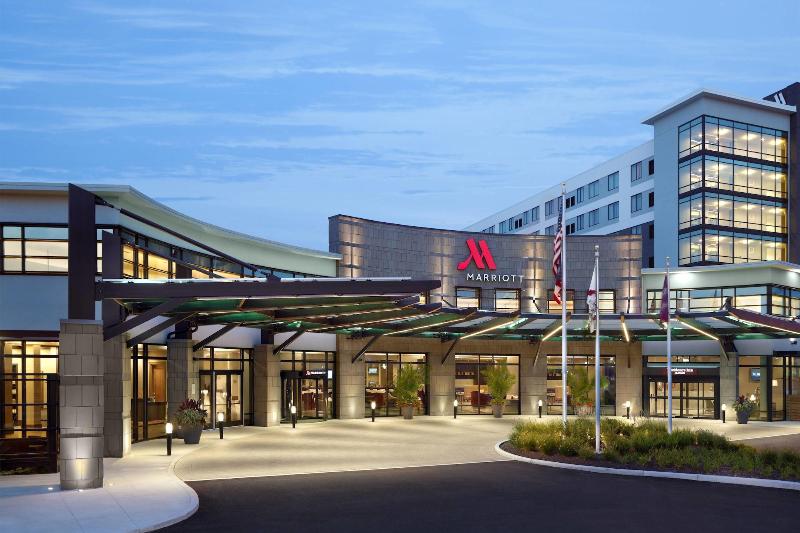
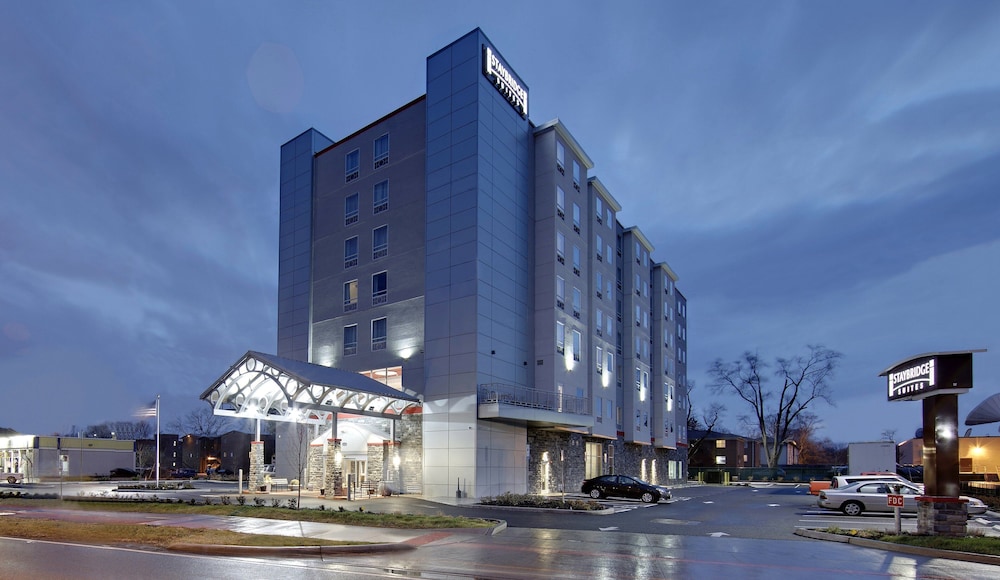
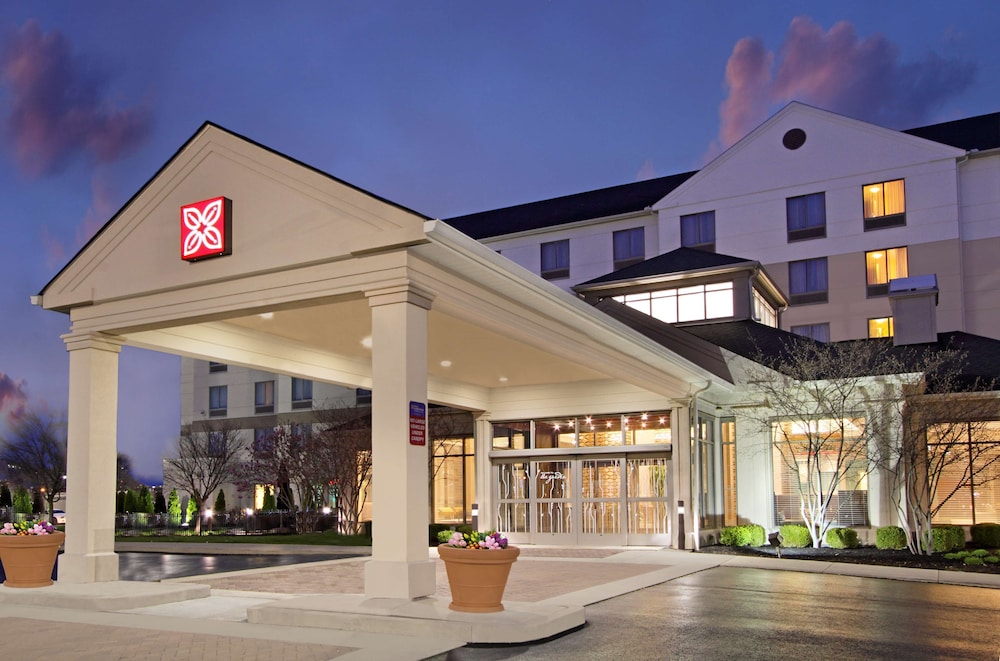
Every hotel we cover in Clintonville
- Homewood Suites by Hilton Columbus OSU OH 3★ · 4.4/5 · 4.1 km away
- TownePlace Suites by Marriott Columbus North OSU 3★ · 4.6/5 · 4.2 km away
- Drury Inn & Suites Columbus Polaris 3★ · 4.7/5 · 9413 km away
- SpringHill Suites by Marriott Columbus Dublin 2★ · 4.7/5 · 9413 km away
- Le Méridien Columbus The Joseph 5★ · 4.6/5 · 9413 km away
- Drury Plaza Hotel Columbus Downtown 4★ · 4.6/5 · 9413 km away
- Hotel LeVeque Autograph Collection 4★ · 4.6/5 · 9413 km away
- Renaissance Columbus Westerville Polaris Hotel 4★ · 4.6/5 · 9413 km away
- AC Hotel by Marriott Columbus Dublin 3★ · 4.6/5 · 9413 km away
- Courtyard by Marriott Columbus OSU 3★ · 4.6/5 · 9413 km away
- Courtyard by Marriott Easton Columbus 3★ · 4.6/5 · 9413 km away
- Hilton Columbus at Easton 4★ · 4.5/5 · 9413 km away
- Hilton Columbus Downtown 4★ · 4.5/5 · 9413 km away
- Marriott Columbus University Area 3★ · 4.5/5 · 9413 km away
- SpringHill Suites by Marriott Columbus Easton Area 3★ · 4.5/5 · 9413 km away
- Staybridge Suites Columbus Polaris by IHG 3★ · 4.5/5 · 9413 km away
- Hampton Inn & Suites Columbus Polaris 2★ · 4.5/5 · 9413 km away
- Graduate by Hilton Columbus 4★ · 4.4/5 · 9413 km away
- Hilton Columbus Polaris 4★ · 4.4/5 · 9413 km away
- Marriott Columbus Northwest 4★ · 4.4/5 · 9413 km away
- Holiday Inn Express Columbus Dublin by IHG 3★ · 4.4/5 · 9413 km away
- Homewood Suites by Hilton Columbus Polaris OH 3★ · 4.4/5 · 9413 km away
- Hyatt Place Columbus OSU 3★ · 4.4/5 · 9413 km away
- Hyatt Regency Columbus 3★ · 4.4/5 · 9413 km away
More things to do
All things to do


From the journal
All posts Comparisons & rankings
Hotels with pools near Upper Arlington, ranked
Comparisons & rankings
Hotels with pools near Upper Arlington, ranked
Upper Arlington packs three city pools and almost no hotel rooms into 9.8 square miles, so every swimmable stay sits a 5 to 20 minute drive out — here are seven clusters ranked, at $95 to $280 a night.
 Comparisons & rankings
Pet-friendly hotels near Upper Arlington
Comparisons & rankings
Pet-friendly hotels near Upper Arlington
Pet fees around Upper Arlington run from $0 to $150 per stay depending on which of the six hotel clusters you pick — here is what each one charges, and the four parks worth the drive once you have checked in.
 Comparisons & rankings
Family-friendly hotels near Upper Arlington, ranked
Comparisons & rankings
Family-friendly hotels near Upper Arlington, ranked
A family of four can sleep near Upper Arlington for $110 a night in Hilliard or $260 in Dublin — here are six clusters ranked on the four things that actually matter with kids, plus what to do with them once you are here.