Old Arlington
The 1913 garden-suburb core on the National Register: Tudor and Colonial Revival houses, curving streets, and no commerce at all.
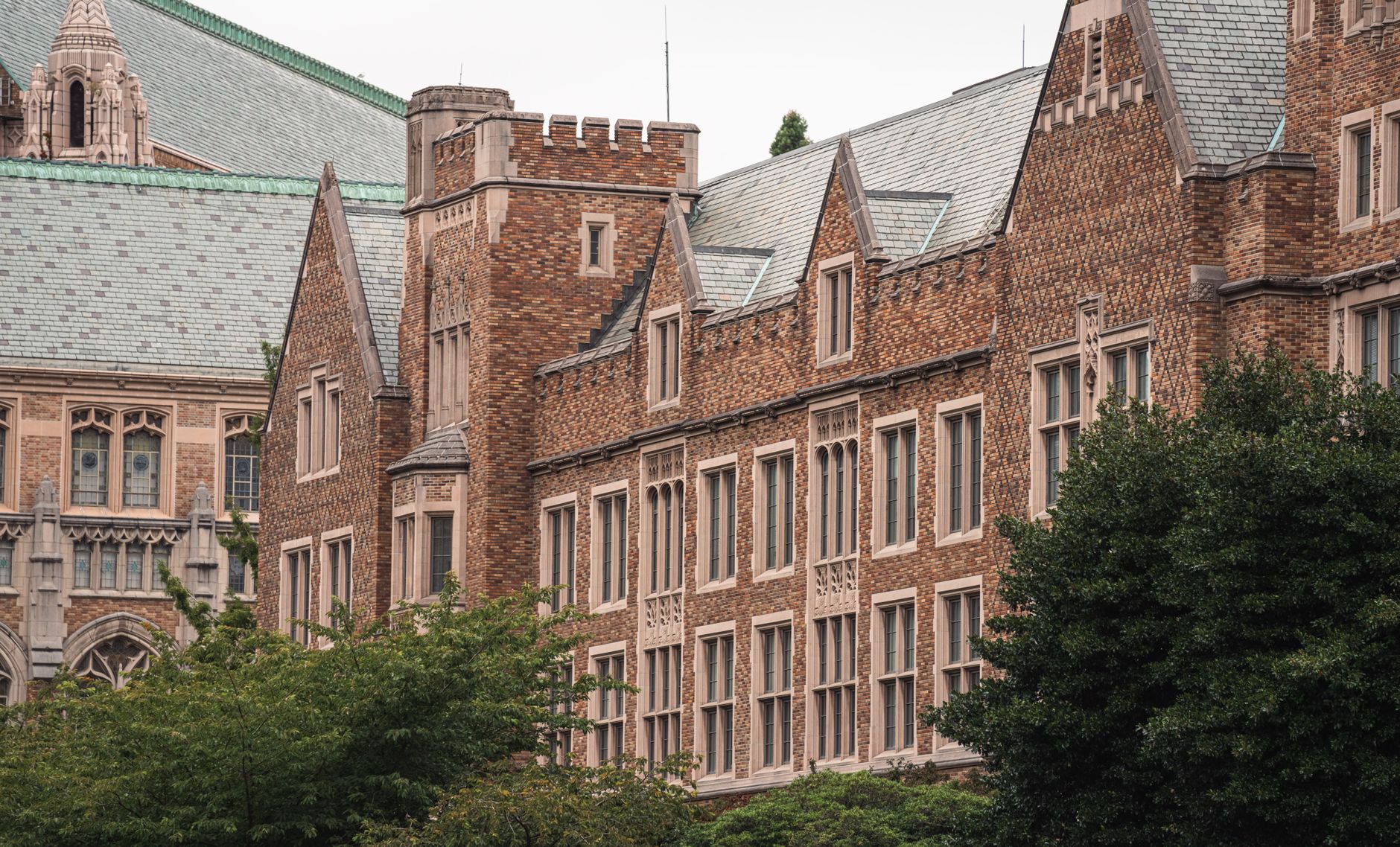 Tudor Revival brick houses under mature oaks on a curving Old Arlington street
Why people stay in Old Arlington
Old Arlington is the reason this city exists. Ben and King Thompson laid it out in 1913 as a planned garden suburb — curving streets, deep setbacks, buried utilities, no straight grid — and the district is now listed on the National Register of Historic Places. Walk Cambridge Boulevard, Roxbury Road, Guilford Road or Andover Road on a September evening and you get slate roofs, leaded glass, Tudor half-timbering, brick Colonial Revival, and oaks planted a century ago that now meet over the road. It is the single best hour of architecture in suburban Columbus.
There is essentially nothing commercial inside it, which is deliberate and which you need to plan around. The nearest coffee is at the Mallway on Arlington Avenue, the nearest supermarket is Kingsdale or the Whole Foods at Lane Avenue, and the nearest bar with any life in it is over the line in Grandview Heights. At 9pm Old Arlington is porch lights, a jogger, and someone dragging a bin to the kerb. Several streets have no continuous sidewalk and no streetlights worth the name, so bring a torch if you are walking after dark.
It suits architecture people, relocating families doing school reconnaissance, and anyone who wants to sleep somewhere genuinely quiet and drive to their fun. From-prices sit a little higher than the rest of Upper Arlington — around $105 on a January Monday — because the handful of short-let places here are large family houses rather than roadside rooms, and they get booked out for Ohio State parents' weekends a year ahead. In June, with graduations, expect $180 and up for the same property.
Skip it if you want to walk to dinner, if you are travelling with teenagers who will be bored by 8pm, or if you are hunting museums — there are none in the district. The Upper Arlington Historical Society keeps its material at the Miller Park library branch, and that is the extent of the formal heritage offer. The district itself is the exhibit, it is free, and it is best consumed on foot in October when the oaks turn or in early May when every dogwood on Bluff Avenue goes off at once.
The best streets to be on are Cambridge Boulevard, Roxbury Road, Bluff Avenue and the short lanes off Andover and Guilford — quiet, wide, tree-shaded, and five minutes' walk from the Mallway shops on Arlington Avenue. Expect $105 to $170 a night for a whole-house or garden-apartment let on normal dates, $180 to $280 in late May, early June and on football weekends. There are no chain hotels inside the district; the nearest real hotel beds are two miles east on Olentangy River Road or south in Grandview. Avoid anything fronting Northwest Boulevard or West Fifth Avenue on the southern edge — those are through-routes carrying commuter traffic from 6:30am, and the housing stock there is noticeably plainer. Free kerbside parking everywhere, but read the signs: some streets near Jones Middle School restrict daytime parking in term time.
Things to do in Old Arlington

The showpiece street of the 1913 plan, running roughly north-south on the western side of the district. Slate, stone, half-timber and a few genuinely enormous Colonial Revival piles, all set back behind lawns. Best light is an hour before sunset. Free, takes forty minutes at a proper looking pace, and no two houses repeat.

Miller Park at 1901 Arlington Avenue has the Upper Arlington Public Library's Miller Park branch on it, where the Historical Society keeps photographs and plat maps of the original Country Club District. Small park, playground, shade. Combine it with the walk south to the Mallway and you have a two-hour circuit.
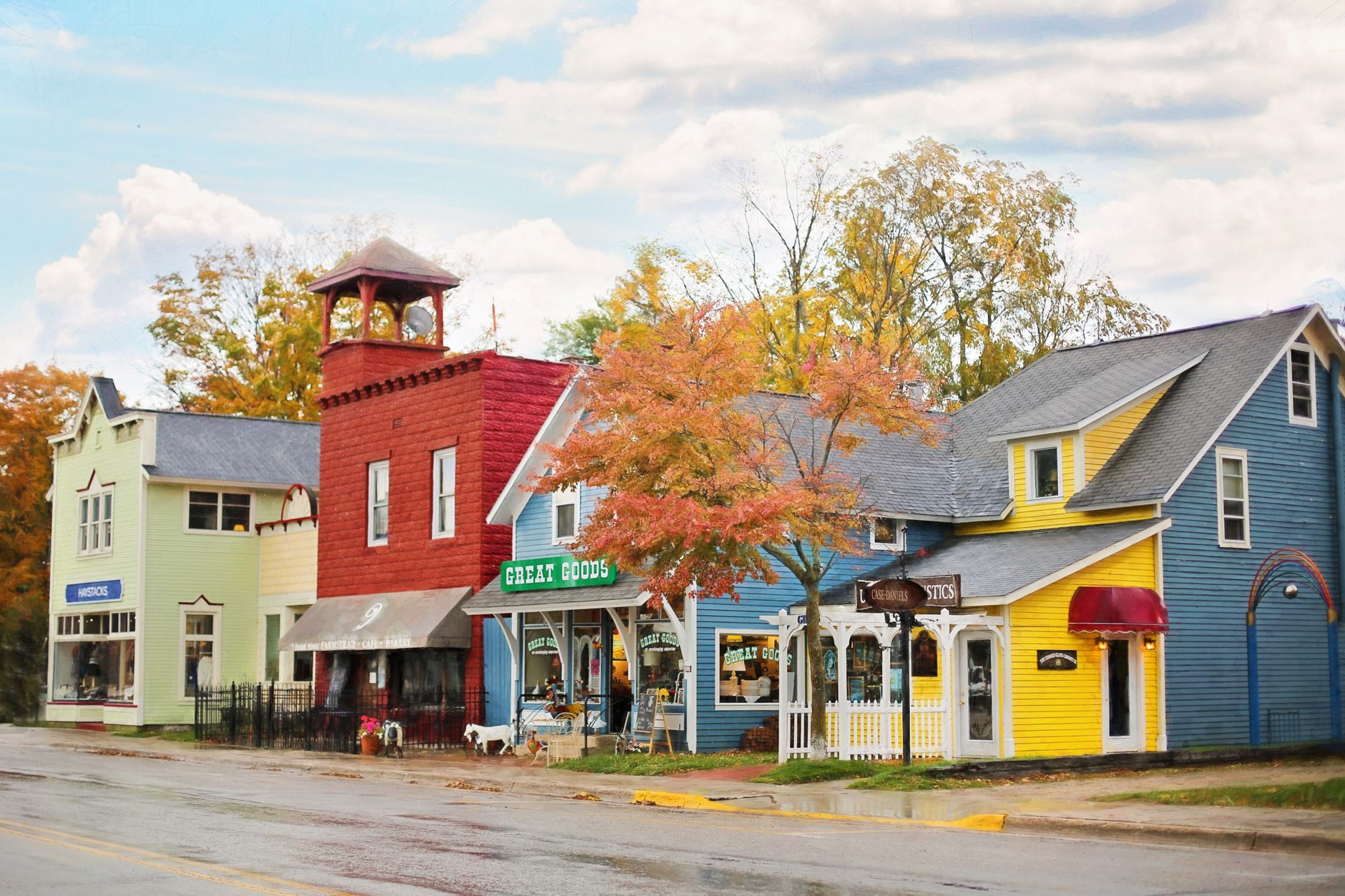
The 1918 shopping row on Arlington Avenue between Bluff and Cambridge is the district's only commerce and the oldest shopping street in the city. Independent cafés, a wine shop, small retail, tables outside in warm weather. Everything shuts early — plan for a morning or a late-afternoon visit, not an evening.
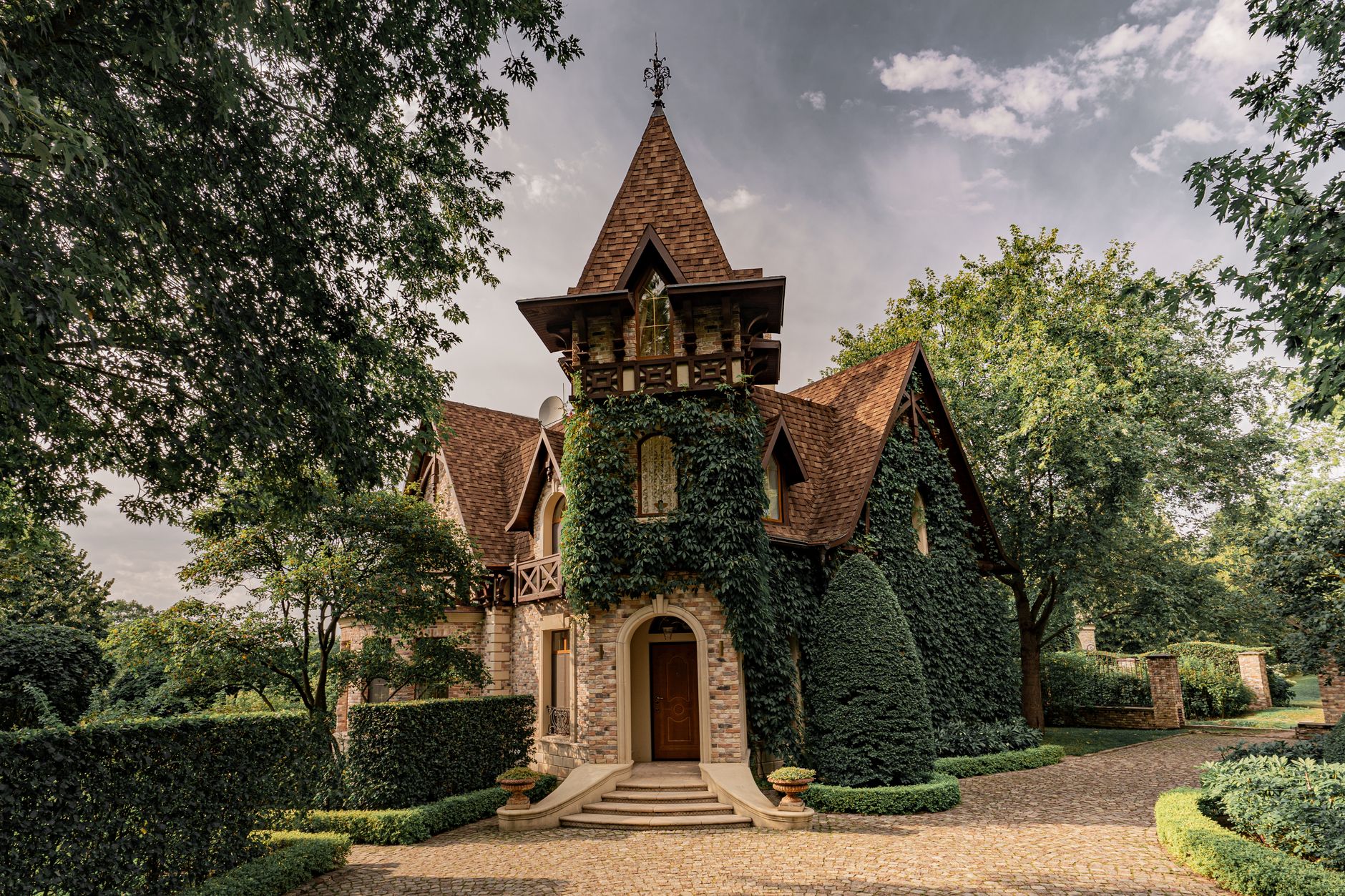
Drive or cycle the two and a half miles east to Victorian Village and Grandview Heights and look at what Columbus was building twenty years before Old Arlington. It reframes the whole district: the Thompsons were selling an escape from exactly those narrow lots. Fifth Avenue takes you straight there in ten minutes.

First two weeks of May the flowering dogwoods and redbuds on Bluff Avenue, Ardmore Road and the streets off Roxbury are the reason people move here. Mid-to-late October the oak and maple canopy does the same job in orange. Both are free, both last about twelve days, and both are ruined by rain.
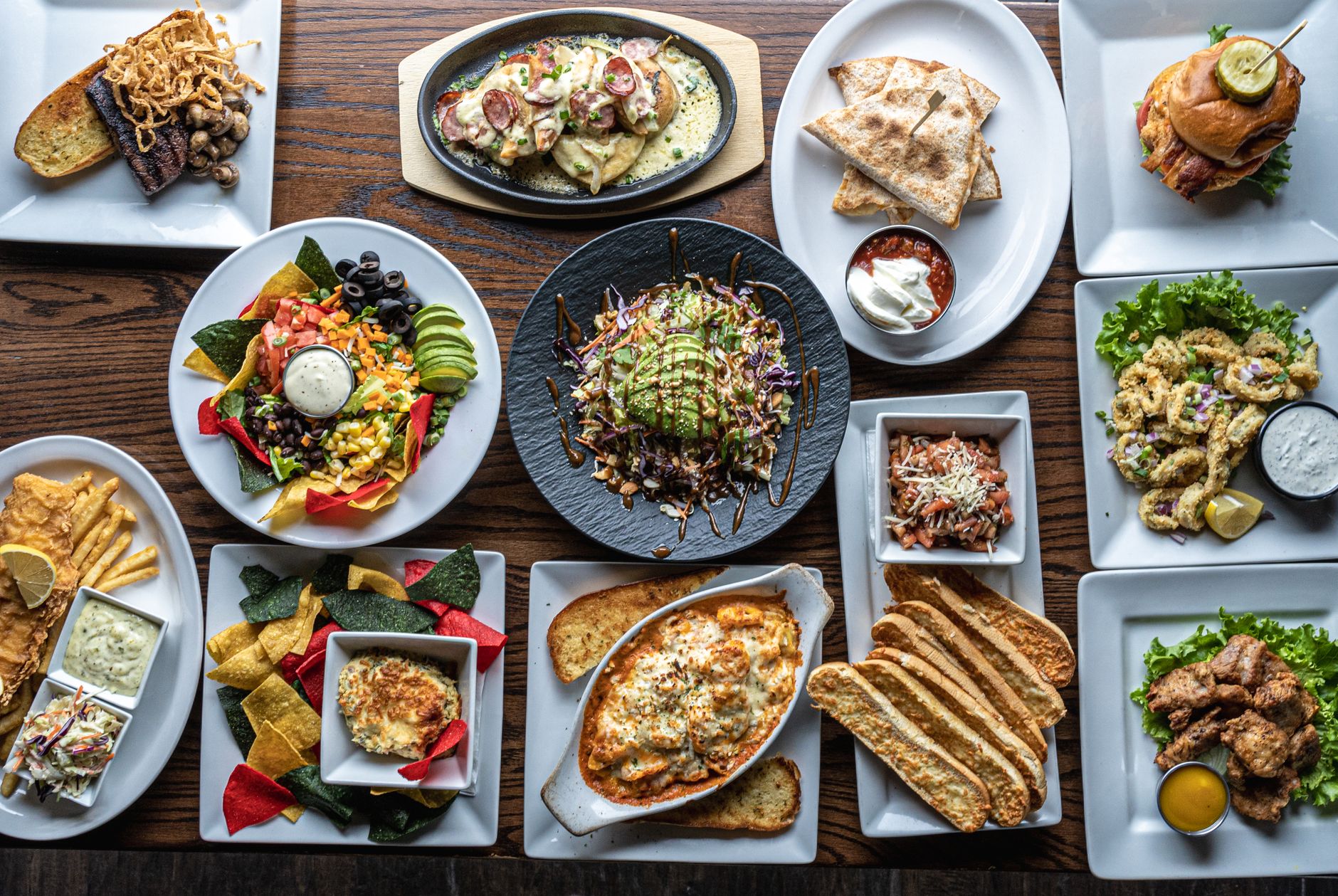
Since the district has no restaurants, book Hudson 29 at 1600 West Lane Avenue or pick up bread and pastry at La Chatelaine in the Lane Avenue Shopping Center. Ten minutes by car from Cambridge Boulevard, free parking, and reliably the best sit-down meal within the Upper Arlington limits.
What to see
Hotels near Old Arlington
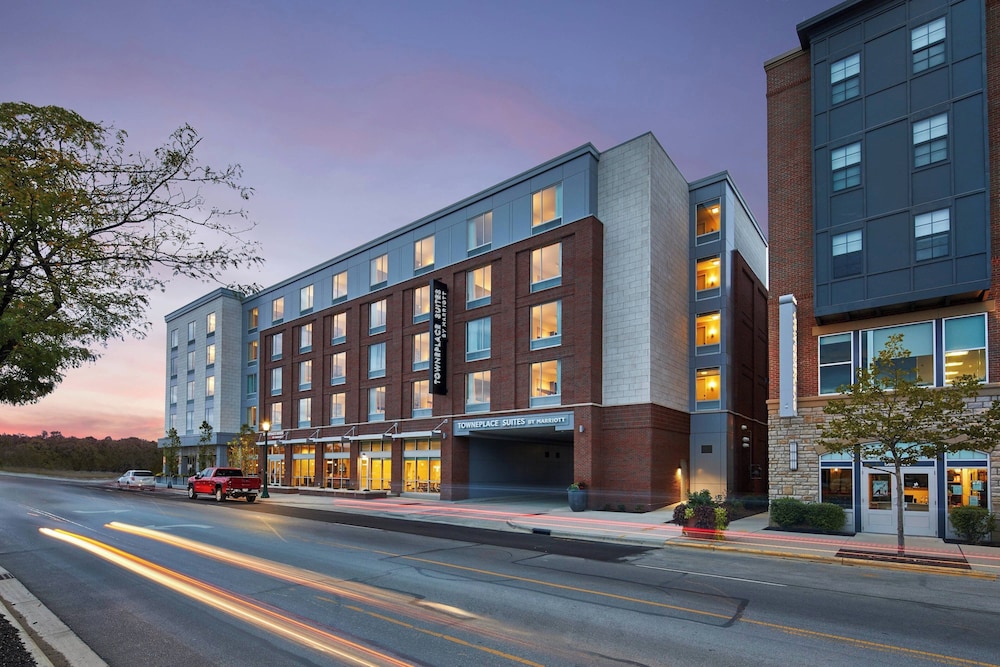
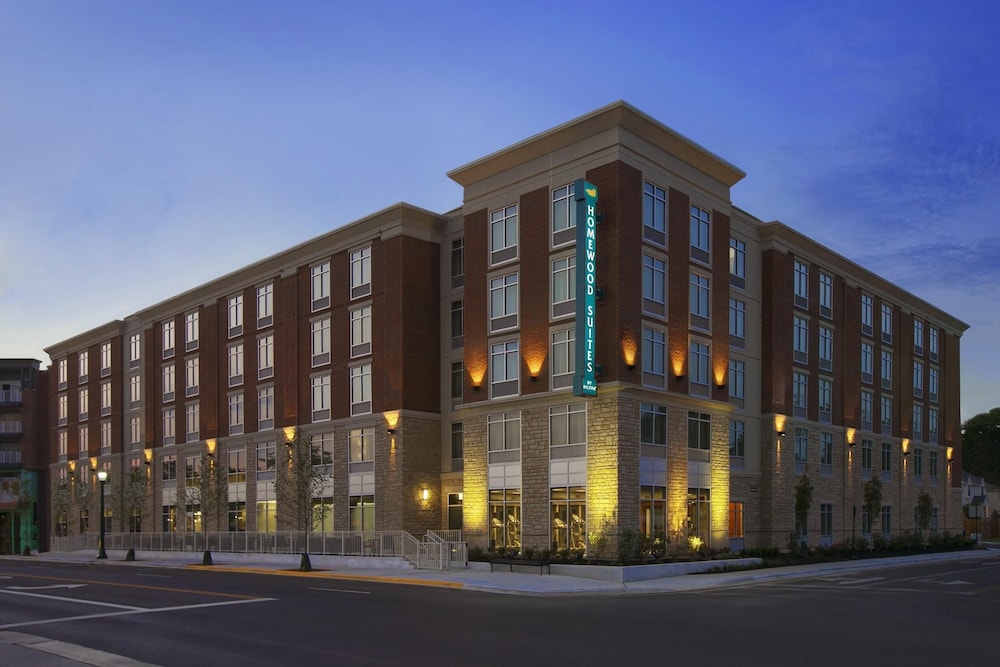
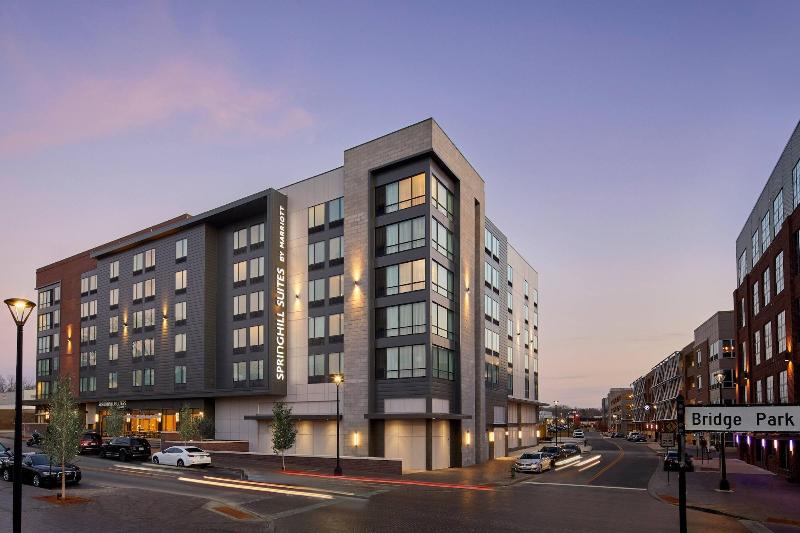
No hotels are listed in Old Arlington yet. The nearest ones are on the region page.
Getting around Old Arlington
Rideshare from John Glenn Columbus International runs $35-$45 and takes 20-25 minutes via I-670 and SR-315 to the Fifth Avenue or Lane Avenue exits. Columbus has no passenger train service, so arriving by rail is not an option; intercity coaches use the terminal at 111 East Town Street downtown, about 15 minutes away. COTA Line 3 runs along Northwest Boulevard on the southern edge of the district — $2.00 a ride, $4.50 day pass, roughly 20-25 minutes to downtown — and Line 5 covers West Fifth Avenue toward Grandview. Both thin out after 8pm. Inside Old Arlington you walk or cycle; distances are short and the streets are quiet enough for children on bikes.
Questions about Old Arlington
It was platted in 1913 by brothers Ben and King Thompson as a planned garden suburb, with curving streets, generous setbacks and underground utilities — radical for central Ohio at the time. The housing stock is overwhelmingly 1915-1935 Tudor, Colonial and Craftsman Revival. The district is listed on the National Register of Historic Places, which protects its character rather than opening any of it to visitors.
Not normally — every one of them is a private home. The exception is the occasional house-and-garden tour run by local organisations, usually in spring or around the holidays, with tickets in the $20-$35 range. Otherwise the district is a walking experience from the public sidewalk. Do not walk up driveways or photograph through windows; residents notice and they are not shy.
You drive or walk out. The Mallway on Arlington Avenue has cafés and small independents but closes early. Lane Avenue, five minutes north, has the best sit-down options in the city plus a Whole Foods and La Chatelaine. Grandview Avenue, ten minutes southeast, is where you go for a proper evening with bars still serving at 11pm.
Within the district, yes — it is flat, quiet and beautiful on foot. Beyond it, not really. Sidewalk coverage is inconsistent on the older streets, the nearest full supermarket is a mile away, and COTA service on Northwest Boulevard drops off sharply in the evenings. Budget for a rental car or plan on $12-$20 rideshares for anything after dark.


