Getting ill in Upper Arlington: urgent care, pharmacies and what it costs a visitor
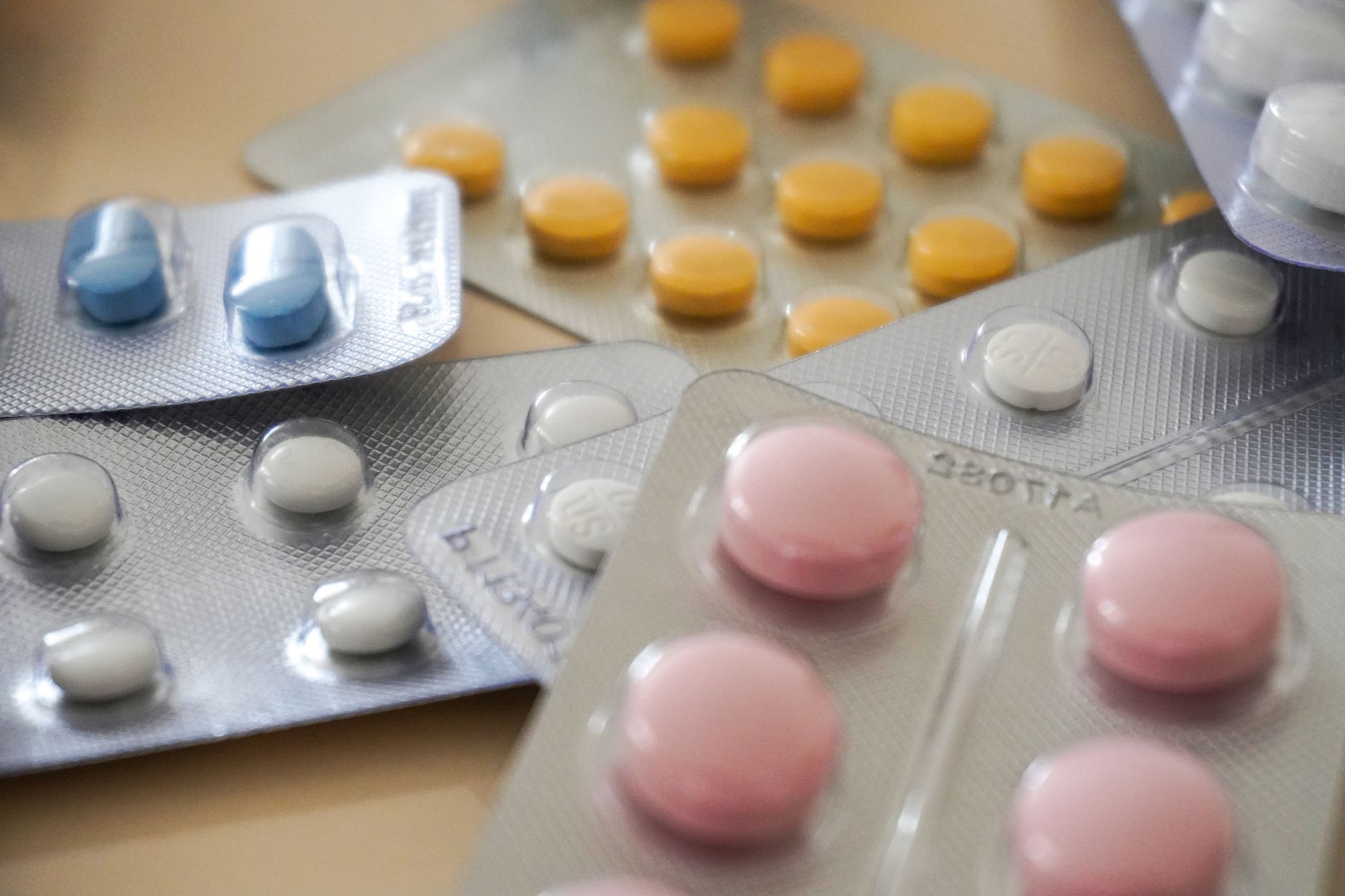 A pharmacy counter with shelves of over-the-counter medicines in an American suburban store
You are two miles from a major hospital and a five-minute drive from three pharmacies, but a walk-in visit without insurance commonly runs $150 to $300 and an emergency room far more.
The short answer: excellent care, expensive access, so choose the right door
Medically, this is one of the better places in the United States to fall ill. Upper Arlington sits inside a dense cluster of hospital systems, with a major hospital campus roughly two miles east on Olentangy River Road and the Ohio State university medical centre a similar distance beyond it. Response times for the city's own fire division medics are short. The problem is never availability of care; it is cost, and specifically the enormous gap in price between the correct door and the wrong one.
The hierarchy runs: telehealth or a retail clinic for the trivial, an urgent care centre for the moderate, and an emergency room only for the genuinely serious. Walking into an emergency room with a sore throat can produce a four-figure bill and a four-hour wait. Travel insurance with medical cover is not optional for foreign visitors here; there is no reciprocal health arrangement between the United States and any European system, and a European health card is worth nothing at a hospital desk in Ohio.
Emergencies: 911, and what happens next
Dial 911 for anything that is or might be life-threatening: chest pain, stroke symptoms, difficulty breathing, serious bleeding, a fall with a suspected fracture in an older person, a suspected overdose or an allergic reaction. Upper Arlington runs its own fire division with paramedics, and they will assess on scene and transport to the nearest appropriate hospital, which for most of the city means the OhioHealth campus on Olentangy River Road. Give the dispatcher the street address and the nearest cross street; the grid here is easy to describe.
Children are usually taken to the region's dedicated paediatric hospital on the eastern side of Columbus, which has its own emergency department and is the right destination for anything serious involving a child. Ambulance transport is billed separately from hospital treatment and commonly runs several hundred to well over a thousand dollars in the United States, regardless of distance. That is a cost worth knowing about but never a reason to hesitate: if it is an emergency, call, and argue about the invoice later with your insurer.
Urgent care versus the emergency room, in dollars
Urgent care centres handle the middle band: minor fractures and sprains, cuts needing stitches, chest infections, urinary infections, ear infections, moderate asthma flare-ups, stomach bugs with dehydration. Both major health systems run walk-in clinics within a few miles of Upper Arlington, along the Olentangy and Lane Avenue corridors and out towards Dublin and Hilliard, typically opening morning until mid-evening with weekend hours. A self-pay visit commonly lands in the $150 to $300 band before extras, with an X-ray or lab test adding roughly $75 to $200 each. Confirm pricing at the desk before you are seen.
An emergency room visit for the same complaint routinely starts north of $1,000 once the facility fee is applied, and often runs several times that with imaging. The wait is also longer, because triage correctly prioritises the heart attack over your ankle. The exception is when symptoms are ambiguous and serious — abdominal pain that will not settle, a head injury with any confusion, a fever in an infant. In those cases the emergency room is the right answer and the cost is irrelevant. Everything else, try urgent care first.
Pharmacies and the American over-the-counter rulebook
There are pharmacy counters inside the supermarkets and chain drugstores at Kingsdale, along Tremont Road and on the surrounding corridors, and the shelves in front of them carry a big range of self-treatment products: paracetamol, sold here as acetaminophen or Tylenol, ibuprofen, antihistamines, rehydration salts, hydrocortisone cream, plasters called Band-Aids. Prices are low by European standards. Overnight and 24-hour counters have thinned out across the metro in recent years, so telephone before driving anywhere late at night rather than assuming.
Two differences catch visitors. Pseudoephedrine decongestants are kept behind the counter and require photographic identification and a signature, though you do not need a prescription. Any codeine-containing painkiller that you might buy freely at home is prescription-only here, so bring your own supply if you rely on it. Antibiotics are strictly prescription-only; no pharmacist will sell them over the counter, and asking is pointless. Pharmacists are, however, genuinely helpful for triage advice on minor complaints and will tell you honestly when you need a clinic.
Bringing your own medication
Carry prescription medicines in their original labelled packaging in hand luggage, with a printed copy of the prescription or a letter from your doctor giving the generic drug name rather than a brand name that may not exist in the United States. Bring enough for the trip plus about a week, because a foreign prescription cannot simply be dispensed at an American pharmacy — you would need to be seen by a local clinician, who may issue a new script, and that is a $150-plus consultation for something you already own.
Controlled medicines, including strong painkillers and some ADHD and anxiety treatments, are the sensitive category: keep them labelled, carry documentation, declare where required, and check the current rules for both the United States and your own country before you fly. Insulin, EpiPens and inhalers are all available here but under different brand names and at prices that will shock a European visitor, so travel with your own. A small kit of your usual remedies saves a genuinely irritating afternoon.
Paying, and how to keep the bill honest
If you have travel insurance, telephone the assistance number before you are treated whenever the situation allows; many policies require notification and some will arrange direct billing. If you do not, say clearly at the desk that you are self-paying and ask for the self-pay or prompt-pay rate, which is frequently a substantial discount on the list price. Always ask for an itemised bill, in writing, before you leave, and keep every receipt — insurers reject vague documentation more often than they reject claims.
Federal protections against surprise out-of-network billing exist in the United States and cover many emergency situations, but the rules are complicated and apply differently to uninsured visitors, so do not assume you are protected. Bills often arrive weeks later and from several separate entities: the hospital, the physician group and the radiologist may each invoice you individually. That is normal, not a duplication. Query anything that looks wrong; American medical billing departments negotiate routinely and errors are common.
Teeth, eyes, pets and the small local hazards
Dental emergencies are handled by private practices rather than hospitals, and a number of them around Upper Arlington and Dublin keep slots for same-day emergencies — expect roughly $150 to $350 for an examination with an X-ray and a temporary fix, and telephone first thing in the morning rather than mid-afternoon. Broken glasses are easier: the optical chains in the shopping centres can often replace lenses within a day or two if you carry your prescription, and cheap reading glasses are on the shelf at every pharmacy.
If you are travelling with a dog, note the location of an emergency veterinary hospital before you need it; the metro's main 24-hour veterinary emergency provider has a location north in Worthington, roughly eight miles away, and you should call ahead. The seasonal hazards here are ordinary but real: ragweed pollen from mid-August into the first frost, ticks in long grass along the river corridors, poison ivy on unmaintained trail edges, summer heat and humidity in the low 30s Celsius, and ice underfoot from December to March. Sunscreen, insect repellent and grippy soles cover most of it.
Before you book
What people ask before booking Upper Arlington.
The closest major hospital campus is on Olentangy River Road, roughly two miles east of most of the city, with the Ohio State university medical centre a little further and a dedicated children's hospital on the eastern side of Columbus. For anything life-threatening call 911 rather than driving yourself.
Commonly $150 to $300 for the consultation, with X-rays or laboratory tests adding roughly $75 to $200 each. Ask for the self-pay rate at reception before you are seen and request an itemised bill afterwards. An emergency room visit for the same problem typically starts above $1,000.
No to both. Antibiotics are strictly prescription-only in the United States, and codeine-containing painkillers sold freely in some countries are also prescription-only here. Pseudoephedrine decongestants are available without a prescription but kept behind the pharmacy counter and require photographic identification and a signature.
None whatsoever. There is no reciprocal healthcare agreement between the United States and European systems, and hospitals will treat you as a private self-paying patient. Buy travel insurance with a high medical limit and repatriation cover before you fly, and call the assistance line before treatment where the situation allows.