Upper Arlington etiquette: the unwritten rules visitors break first
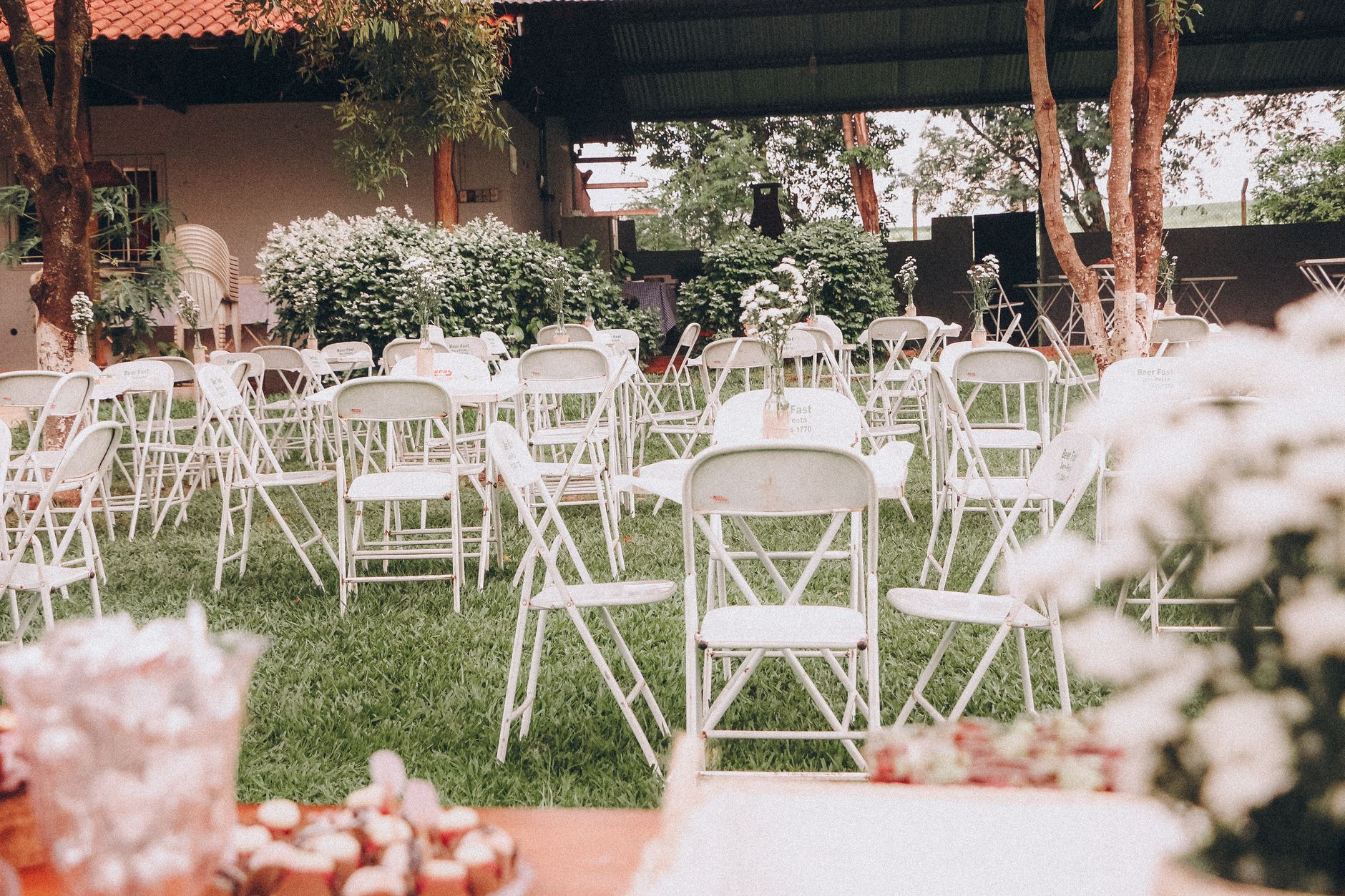 Folding chairs lined up along a suburban parade route on a summer morning in Upper Arlington
About 9 local habits — from parade chairs left out overnight to never rolling a wheel across a tree lawn — explain nearly all the friction a visitor creates in a residential city of roughly 36,000 people.
The short answer: behave like a neighbour, not a tourist
Upper Arlington is not a resort town or a downtown district. It is a residential city where nearly everyone you pass on a side street lives within a few blocks, most people know their neighbours' cars, and there is no anonymous crowd to disappear into. Behaviour that reads as ordinary tourism elsewhere — standing in a garden to photograph a house, letting a group spread across the road, playing music from a car with the windows down at 10pm — registers here as an intrusion, and someone will say something or call the non-emergency police line.
None of this is hostility. It is a place with very high property values, very active neighbourhood associations and a culture of noticing. The corollary is that Upper Arlington is welcoming in a specific, low-key way: people will greet you on a footpath, hold a door, give directions at length, and let you into traffic. Match the register — friendly, unhurried, quiet — and the suburb is one of the easiest places in Ohio to move through.
Driveways, tree lawns and bins
The three sacred surfaces are the driveway, the tree lawn and the kerb in front of a house. Never park across a driveway, even one that clearly has no car in it and clearly belongs to somebody at work. Never drive or park on the tree lawn, the grass strip between the pavement and the kerb that the resident mows and the city plants street trees in. And do not block the kerb on a collection morning, because the automated lorry arm needs clear access to the bin.
Bins go out the night before collection and come back in the same evening. If you are staying in a rented house or with friends, ask which day, because leaving wheelie bins on the tree lawn for three days is the classic visible sign of a short-term rental and irritates the entire street. In November, leaves are raked to the tree lawn for city collection and a parked car over a leaf pile stops the vacuum truck; the schedules shift with the weather, so check the city's current notices.
Scarlet Saturdays
On Ohio State home football Saturdays in autumn, the whole south-eastern quarter of the city reorganises itself around the stadium two miles east. Driveways become paid car parks, front gardens become tailgates, and Lane Avenue traffic solidifies three hours before kickoff. The etiquette is straightforward: if you pay a resident to park in their drive, you park where they point, you do not use their toilet unless invited, and you do not leave until the agreed time. If somebody offers you food from a tailgate spread, take it and say thank you — refusing is stranger than accepting.
Colour matters more than visitors expect. Scarlet and grey is the local uniform; that is the correct American spelling of the second colour in every other context, but Ohio State insists on scarlet and gray. Wearing the maize and blue of the university in Michigan during the late-November rivalry week will get you cheerful abuse from strangers all day. That is a game people enjoy playing, so join in if you like, but do not expect a quiet lunch in Tremont Center while wearing it.
Parade chairs and festival etiquette
Upper Arlington runs one of central Ohio's biggest Independence Day celebrations, with a parade through the older residential streets and fireworks in the evening, and residents stake out kerbside positions with folding chairs and painter's tape the night before. Those chairs are not abandoned. Moving them, or setting up in front of them, is the fastest way to start an argument with an entire block. Arrive early, find genuinely unclaimed kerb, and put small children at the front where the candy thrown from floats lands.
The other fixed point in the calendar is the Labor Day Arts Festival in Northam Park at the start of September, a long-running juried show with artists' booths spread across the grass. Etiquette there: ask before photographing an artist's work, do not lean a pushchair against a display, bring cash as a courtesy even though most exhibitors take cards, and park in a lot rather than on the surrounding residential streets. Both events publish current dates and details through the city, so confirm before planning around them.
The restaurant rhythm
Dinner runs early. Families with children fill Tremont Center and Kingsdale restaurants from 5:15pm, the main adult service peaks between 6:30pm and 8pm, and by 9:30pm on a weeknight the dining rooms are thinning and kitchens are closing. Turning up at 9:45pm expecting a full menu is a European habit that does not survive contact with suburban Ohio. Reservations are worth making for Friday and Saturday and for any Ohio State game weekend, when the whole corridor fills with visiting family.
At the table, dress is genuinely casual — smart jeans clear the bar almost everywhere — but athletic kit and swimwear do not. Splitting a bill across four cards is completely normal and servers will do it without a sigh. Smoking is banned indoors statewide, and vaping indoors is treated the same way by most venues. Bringing children anywhere before 8pm is standard; bringing them into a bar after 9pm is not, and Ohio's liquor rules make some venues 21-and-over after a certain hour.
Talking to people, and driving with them
Strangers speak to each other here. A cashier asking how your day is going wants a short pleasant answer, not a report. People on footpaths make eye contact and say hello, and a driver who stops to let you cross expects a wave. Small talk about weather, the Buckeyes and whether the road works on Fishinger will ever finish are the three reliable openers. Politics is not one; this is a purple metro area in a swing state and locals steer around it with practised skill.
Behind the wheel the courtesies are firm. At a four-way stop, first to arrive goes first, and if two of you arrive together the car on the right has priority — but in practice somebody waves the other through and you wave back. Nobody uses the horn except to prevent a collision; a horn here reads as an insult, not a nudge. Let school buses do their thing: when the red lights flash and the stop arm swings out, traffic in both directions must stop, and this one is enforced hard.
IDs, alcohol and the swimming pool question
The drinking age is 21 and enforcement is strict. Expect to be asked for ID regardless of how old you look, and be aware that many bars and some supermarkets will not accept a foreign driving licence — carry your passport if you plan to drink, or a passport card if you have one. Open containers of alcohol in public, including in a parked car, are illegal. Bar closing times are set by state licensing and typically run to the small hours, but individual venues here close far earlier; check with the venue.
Finally, the question every visiting family asks: no, you generally cannot walk into an Upper Arlington outdoor pool. The city's neighbourhood pools operate on a resident membership model, with guests admitted only when accompanied by a member and subject to limits. Hotel pools, or a day at a paid public facility elsewhere in the metro, are the practical alternatives. Membership rules and guest policies are set each season by Upper Arlington Parks and Recreation, so confirm the current arrangement rather than turning up with towels.
Before you book
What people ask before booking Upper Arlington.
Generally not on a walk-up basis. The city's outdoor pools run on a resident membership model, with guests admitted only alongside a member and often capped. If you need a pool, use your hotel's or look at paid public facilities elsewhere in the Columbus metro, and check current policy with Upper Arlington Parks and Recreation.
Walking and photographing from the pavement is fine and common — the 1920s architecture on Cambridge Boulevard draws visitors. What crosses the line is stepping onto lawns or drives, photographing through windows, or lingering outside one house. Keep moving, stay off private grass, and never photograph children at playgrounds.
No. The tablet suggesting 20 to 30 per cent on a takeaway coffee is a default setting, not a local expectation. Rounding up or leaving a dollar is normal and generous; selecting no tip on a bottled drink or a pastry is entirely unremarkable and nobody will comment.