Why your Upper Arlington bill is bigger than the price on the menu
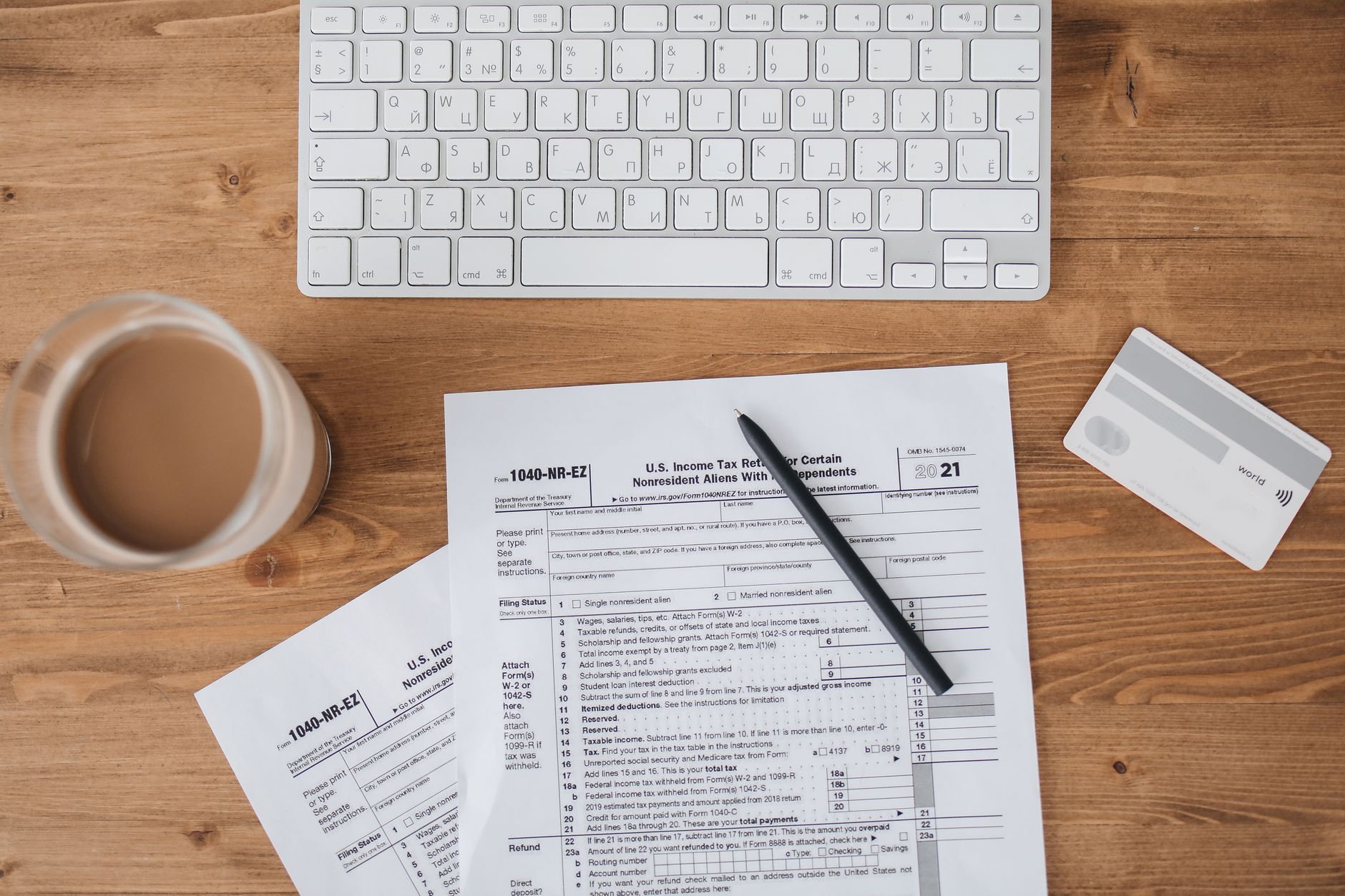 A printed restaurant receipt on a wooden table showing tax and tip lines
Nothing in Ohio is priced with tax included, so add roughly 7.5 percent to most purchases, another 18 to 20 percent for table service, and about 15 percent again on a hotel room.
The short answer: three layers, none of them shown on the shelf
American pricing is pre-tax, and Franklin County's combined sales tax rate has sat around 7.5 percent, so the $18 sandwich on the board is about $19.35 before you have tipped. Add customary table service of 18 to 20 percent and that sandwich is a $23 transaction. This is not a scam or a tourist mark-up; it is simply how prices are displayed nationwide, and every local mentally does the arithmetic before ordering. Rates are set by the state and county and do change, so confirm the current figure if you are budgeting to the dollar.
The second layer is lodging tax, which stacks state, county and municipal levies on a hotel room and lands well above the sales tax rate. The third is the fee layer: rideshare surge, event parking, airport pick-up charges. What Upper Arlington largely spares you is the resort fee and the parking fee, because the hotels in this corridor keep free surface car parks. Budget as if every headline price is roughly a quarter lower than what leaves your card.
The grocery quirk that saves you real money
Ohio does not tax food bought for consumption off the premises. That means unprepared groceries — bread, milk, fruit, cheese, cold sandwiches from a chiller — carry no sales tax at all, while the same food eaten in carries it. This is why a cashier at a counter will ask whether the order is for here or to go: they are not making conversation, they are setting the tax flag. Say to go and take it to Northam Park and the bill drops by around 7.5 percent.
For a family staying a week, this is the single biggest lever on the food budget. The grocery anchor at Kingsdale and the supermarkets along the surrounding corridors will do a full week's shop for a family of four in the $150 to $220 band, which is roughly what two restaurant dinners cost. Prepared hot food from the deli counter is taxed, as are soft drinks and sweets under Ohio's rules; plain groceries are not. Alcohol is taxed regardless of where you drink it.
What a hotel actually costs once the taxes land
The rate you see on a booking site is almost never the rate you pay. Ohio applies sales tax to transient lodging and Franklin County municipalities add their own hotel excise on top, so a realistic planning assumption is about 15 percent added to the room rate, sometimes a little more depending on the exact municipality your hotel sits in. On a $140 room that is roughly $21 a night, or $147 across a week. The precise split of state, county and city levies is adjusted from time to time, so treat that as a planning figure and check your quoted total at booking.
Two things you generally do not pay in this corridor: a resort fee, which is largely an urban and coastal phenomenon, and overnight parking, which is free at the surface-lot properties along Olentangy River Road, near the bypass and out towards Dublin. Downtown Columbus and Short North hotels are the opposite — expect $20 to $35 a night for valet or garage parking there. If two properties quote similar rates and one is downtown, the suburban one is $150 cheaper across a five-night stay before you have counted anything else.
Cards, contactless and the two situations that catch foreign cards
Cards work essentially everywhere: contactless is standard, mobile wallets are accepted at every chain and most independents, and a growing number of coffee counters and food trucks are card-only. You can spend a week here and never touch a banknote. Chip-and-PIN is less universal than in Europe — many terminals will process a foreign chip card as chip-and-signature, or simply approve it without a PIN — which is normal and not a sign of a problem.
Two situations reliably break foreign cards. The first is the self-service petrol pump, which asks for a US five-digit billing ZIP code your card does not have; the fix is to walk inside, hand the card to the attendant and say which pump number you are on. The second is a card terminal offering to charge you in your home currency — always decline and choose to be billed in dollars, because the dynamic conversion rate is worse than your bank's. Keep about $60 in small notes for parking-lot valets, driveway rentals on game days and the occasional cash-only vendor.
The arithmetic on tips, without the sermon
Sit-down restaurant service runs 18 to 20 percent on the pre-tax total, and it matters here because tipped staff in Ohio are paid a reduced base wage with tips expected to make up the rest. Bartenders take $1 to $2 a drink, or the same percentage on a tab. Housekeeping is $3 to $5 a night, left daily rather than at checkout because the person changes. Rideshare drivers get 15 to 20 percent through the app. A takeaway coffee at a counter is genuinely optional, whatever the tip screen suggests.
The number that surprises people is what this does to a week. Two adults eating dinner out four times at around $70 a meal pay roughly $56 in tips plus about $21 in tax on top of the $280 of food. Plan a mixed pattern instead: cook or picnic three nights from the Kingsdale shop, eat lunch out where portions are large and prices are 30 percent below dinner menus, and spend the saving on one genuinely good dinner rather than four mediocre ones.
The weekends when prices double
Hotel pricing in this market is event-driven rather than seasonal. Ohio State home football Saturdays in September, October and November are the big one: rooms within a few miles of campus that go for $120 midweek routinely list at $260 to $400, with two-night minimums, and the closer properties sell out months ahead. Confirm the 2026 home fixture list with Ohio State Athletics before you fix dates, because moving a trip by seven days can halve the accommodation bill.
The other spikes are university move-in and graduation weekends, the Memorial Tournament week at Muirfield Village in Dublin in early June, and any large convention downtown. Rideshare surge follows the same pattern — a $14 airport-to-Upper-Arlington run can hit $35 on a game evening. Midweek in January, February or late July, the same corridor is one of the cheapest metro suburbs in the Midwest, with clean chain rooms in the $95 to $130 band and no competition for a restaurant table.
What is free, and what only looks free
Genuinely free: every Upper Arlington park, the paved paths at Fancyburg and Sunny 95, the tennis courts, the main library on Tremont Road and its branches, the Olentangy Trail, the shopping-centre car parks, and the city's Labor Day Arts Festival at Northam Park, which falls on Monday 7 September in 2026 and has run since the 1960s. Ohio State's campus is open to walk around, and the Olentangy corridor gives you several miles of riverside path at no cost.
What only looks free: the big attractions east and north of here are all ticketed and several charge separately for parking. Plan on roughly $25 to $35 a head for the science centre or the zoo, plus a parking charge at the zoo, and similar for the conservatory. Prices and opening hours change annually, so check each attraction's own site. If the budget is tight, the honest advice is that the parks, the trail and one good dinner will give you a better week here than three paid attractions and a supermarket sandwich.
Before you book
What people ask before booking Upper Arlington.
No. Every shelf price, menu price and shop window figure in Ohio excludes sales tax, which in Franklin County has been around 7.5 percent. It is added at the till. Unprepared groceries taken away are exempt, which is why counter staff ask whether your order is for here or to go.
Budget roughly $170 to $175 once state, county and municipal lodging taxes are added — about 15 percent as a planning figure. Suburban properties in this corridor rarely add resort or parking fees, unlike downtown hotels that charge $20 to $35 a night for parking. Check the itemised total shown at booking.
Often not, because the pump asks for a US five-digit billing ZIP code. Go inside, tell the cashier your pump number and pay at the counter, either pre-authorising an amount or paying after filling where permitted. Everywhere else — shops, restaurants, hotels, parking apps — contactless foreign cards work normally.
You can survive without it, but carry around $60 in small notes. Cash is useful for driveway parking on Ohio State game Saturdays, occasional cash-only counters, tipping housekeeping at $3 to $5 a night, and the odd farmers market stall. Use bank-branded ATMs at Kingsdale or Tremont to avoid the higher independent-machine surcharges.