Old Arlington guide for tourists
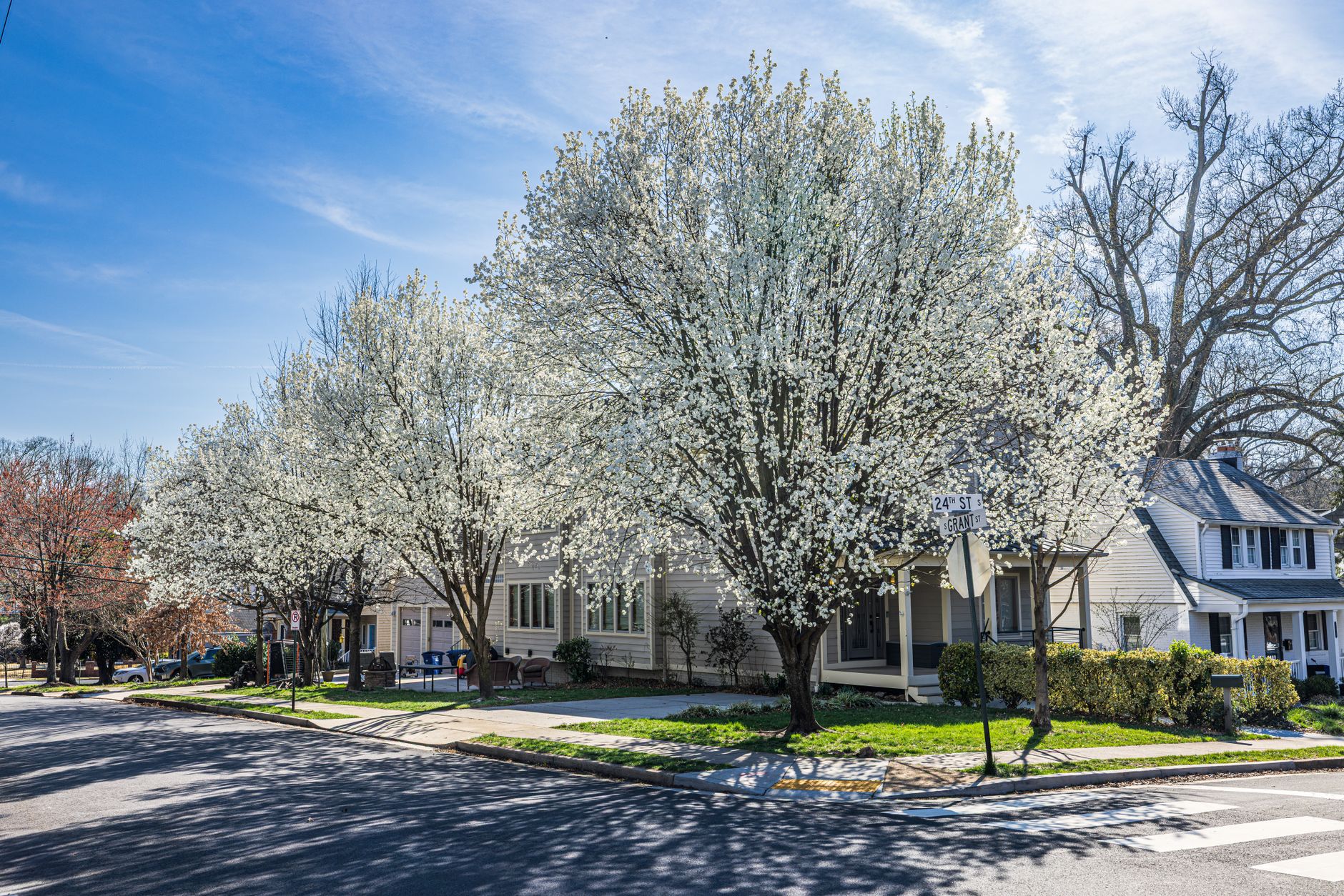 Tudor Revival house on a curving tree-lined street in Old Arlington
Old Arlington's 1920s streets are on the National Register of Historic Places and cover roughly a square mile of Tudor, Colonial Revival and English cottage architecture — here is a two-mile walking route, where to park, and where to sleep nearby from $105.
What Old Arlington actually is
In 1913 the Thompson brothers began laying out a planned residential suburb on farmland west of the Olentangy, marketed as a country club district and built around curving streets, deep setbacks and mature trees rather than the grid Columbus was using downtown. The city incorporated in 1918. The oldest core of that plan — broadly the streets between Cambridge Boulevard, Arlington Avenue, Roxbury Road and Fifth Avenue — is what people mean by Old Arlington, and it is listed on the National Register of Historic Places.
The point of visiting is not a museum or a visitor centre, because there isn’t one. It is the streetscape: a coherent, unusually intact collection of 1910s to 1930s architect-designed houses in Tudor Revival, Colonial Revival, Georgian and English cottage styles, with slate roofs, leaded glass, and hedged gardens under a canopy of 90-year-old oaks and maples. It is also entirely residential. Treat it as a walk through somebody's neighbourhood, because that is exactly what it is.
The two-mile walking route I would do
Start at the Mallway on Arlington Avenue, the small 1920s shopping arcade that was the district's original commercial heart, with its arched brick frontage and a handful of independent businesses. Walk south on Arlington, then west onto Cambridge Boulevard, which is the showpiece street — wide, curved, and lined with the largest houses in the district. Follow it to Roxbury Road, then loop back east on Andover or Guilford. That is roughly two miles and takes an hour at a proper looking pace.
Go in the morning for light on the east-facing facades, or in the last hour before sunset in October when the canopy turns. Sidewalks exist on most of the route but not all of it, and traffic on Cambridge moves faster than the leafy setting suggests, so walk facing traffic where there is no path. Nothing is ticketed, gated or interpreted. Bring a coffee from Tremont Center or Kingsdale and treat it as a slow hour rather than an attraction.
The Nicklaus connection and the country club
Scioto Country Club sits at the southern edge of this area, and it is the reason Upper Arlington appears on golf maps at all. The Donald Ross course dates to 1916, hosted the 1926 U.S. Open that Bobby Jones won, and hosted the 1931 Ryder Cup. Jack Nicklaus, born in Columbus in 1940 and raised in Upper Arlington, learned to play there and went to Upper Arlington High School, whose Golden Bears nickname became his own.
For visitors the club is private and there is nothing to see from the road but a gate and a hedge. Do not build a day around it. What you can do is note how the golf course shaped the street plan — the curving boulevards and the deep, quiet blocks were designed around it — and then go play the Scarlet Course at Ohio State, ten minutes away, which Nicklaus later reworked and which is open to public play at roughly $80 to $130 in season.
Parking, etiquette and the things that annoy residents
Park at the Mallway on Arlington Avenue, at Miller Park near Riverside Drive, or in the Tremont Center lot and walk in. All are free. Do not park across driveways on Cambridge or Andover, and note that Upper Arlington posts game-day parking restrictions on some streets during Ohio State home Saturdays, with real enforcement — read the signs every time. There are no public restrooms in the residential district; the library branches at Miller Park and on Tremont Road are your reliable stop.
The etiquette is simple and worth stating because visitors get it wrong. Stay on the pavement and the street, do not walk up driveways for a better photograph, do not fly drones over houses, and keep voices down before 9am. Residents are used to architecture walkers and are generally friendly about it. What they are not used to is people treating front gardens as a set. Behave like a guest and the neighbourhood is welcoming.
Where to eat before or after the walk
There is no restaurant row inside Old Arlington itself, which surprises people. The Mallway carries a small number of independents and the nearest concentration of food is Tremont Center a few minutes north, where a long-standing family grocery and deli will build a sandwich and there is ice cream at the Ohio-founded scoop shop. That combination — deli sandwich, cone, bench in Northam Park — is the most Upper Arlington lunch available and costs under $18 for two.
For a full sit-down meal, drive five to eight minutes: the Market District at Kingsdale for a huge prepared-food counter, Lane Avenue for a proper polished American dinner, or Grandview Avenue in Grandview Heights for the best walkable restaurant street in the immediate area. Kitchens in this part of Columbus close earlier than visitors expect — 9pm on weeknights is common — so plan dinner for 7pm rather than 8:30pm and confirm hours by phone.
Where to stay, and honest prices
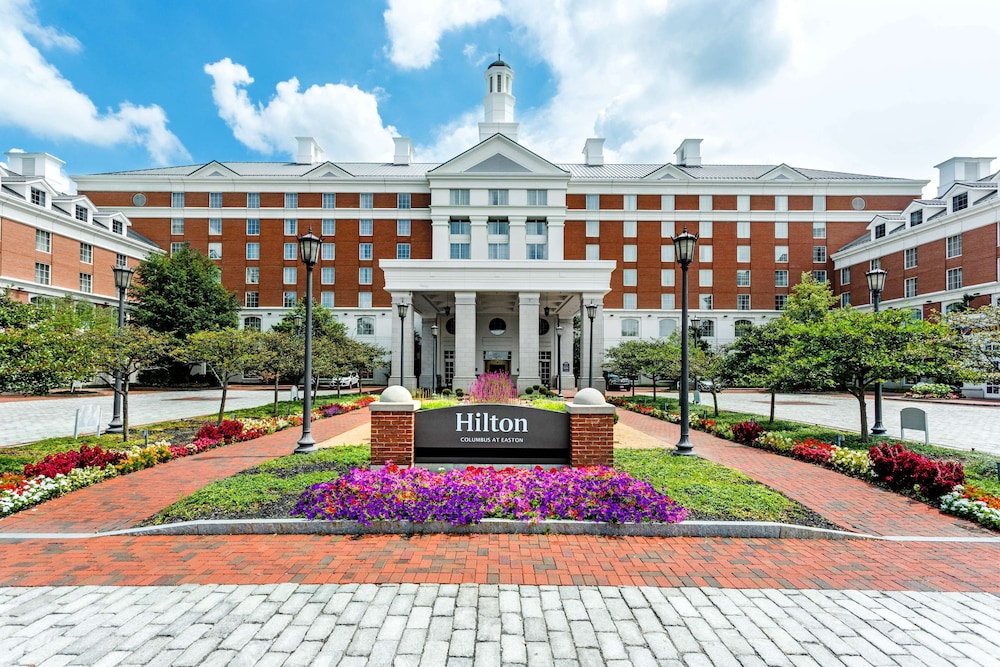
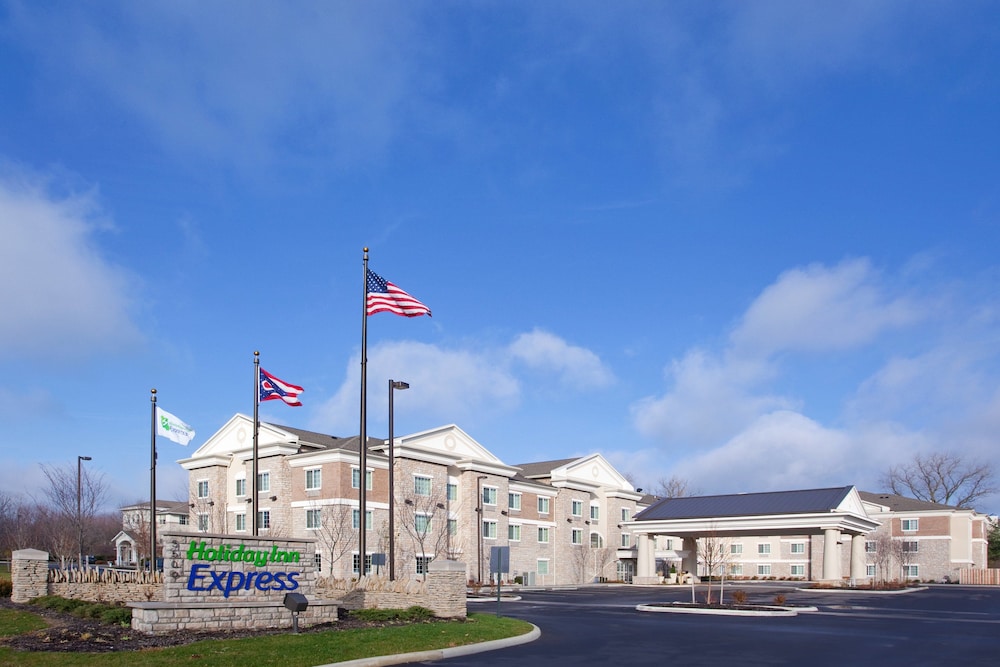
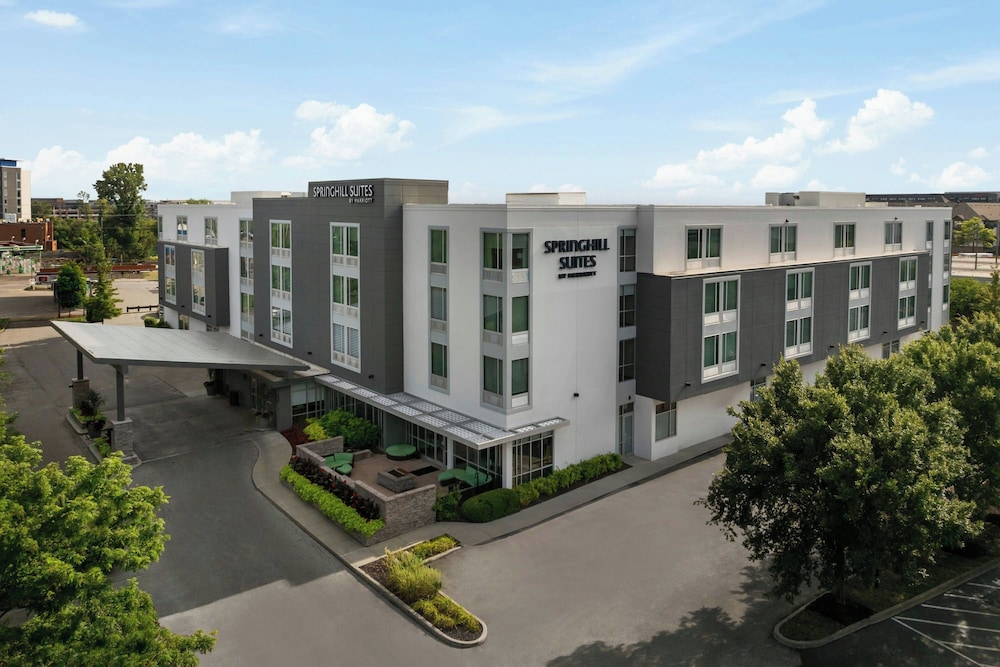
There is nowhere to sleep in Old Arlington. No boutique hotel, no inn, no historic conversion — the district is protected residential and the short-term rental market inside it is thin and regulated. Your realistic options are all a five to fifteen minute drive: the Lane Avenue and Olentangy River Road hotels at $135 to $195, Grandview Yard at $150 to $215, Worthington at $105 to $150, or Hilliard and Tuttle Crossing at $95 to $140. All have free parking except downtown.
My pick for this specific trip is Grandview Yard. It is eight minutes from Cambridge Boulevard, the rooms are modern, and you finish the day on a walkable street with restaurants instead of a highway frontage road. If the budget matters more than the evening, Worthington saves you $60 a night and costs you seven extra minutes each way. Whatever you choose, check the Ohio State home schedule first — game weekends add $150 to $300 across every one of these clusters.
Combining Old Arlington with the rest of the day
Old Arlington is a one-hour walk, not a day. Build around it. Morning: the architecture loop and coffee at the Mallway. Late morning: Griggs Reservoir Park on Riverside Drive for the water and the sycamores, five minutes west. Lunch: Tremont Center or Kingsdale. Afternoon: the main library and Northam Park, or drive 15 minutes to the Ohio State campus for the Oval and the stadium's exterior. That is a genuinely satisfying free day with under ten miles of driving.
If you have a second day, go outward rather than deeper. German Village's brick streets and the Book Loft are 15 minutes southeast and offer the historic-district experience with actual shops and restaurants attached. Worthington's village green is 12 minutes northeast. Both give you what Old Arlington deliberately does not: somewhere to spend money at the end of the walk. Old Arlington's value is that it is quiet, intact, and lived in, and that is worth exactly one unhurried hour.
Before you book
What people ask before booking Old Arlington.
The streets and pavements are public and walking them is normal and welcome, but every building is a private home. There is no visitor centre, no tours on a fixed schedule, no interiors to enter and no public restrooms. Stay on the pavement, do not photograph into windows, and keep noise down early.
Use the free lots at the Mallway on Arlington Avenue, Miller Park, or Tremont Center, all within a short walk of the historic streets. Avoid parking on residential blocks during Ohio State home Saturdays, when Upper Arlington posts enforced restrictions on some streets.
None. The nearest rooms are five to fifteen minutes away in the Lane Avenue corridor at $135 to $195, Grandview Yard at $150 to $215, or Worthington at $105 to $150. Grandview Yard is the best pairing of proximity and a walkable evening.
About an hour for a two-mile loop taking in the Mallway, Cambridge Boulevard, Roxbury Road and Andover or Guilford. Add another 30 minutes if you stop for coffee. Morning light and mid-to-late October colour are the two best conditions for it.