Upper Arlington with limited mobility: what is actually step-free
 A wide level pavement and dropped kerb beside a park entrance in a leafy Ohio suburb
The terrain is flat, the car parks are free and level, and about 90 percent of what a visitor wants here works on wheels — but the historic Mallway shops and the river-bluff trails do not.
The short answer: an easy suburb, with two predictable failures
Upper Arlington sits on a flat glacial plain between the Scioto River and the Olentangy corridor, and outside the bluffs along Riverside Drive there is essentially no gradient to fight. Almost everything is a single-storey building fronted by a free, level, generously sized car park with marked accessible bays close to the doors: Kingsdale, Tremont Center, the Lane Avenue shops, the main library on Tremont Road, the park pavilions. If your trip is groceries, a meal, a park loop and a library afternoon, this is one of the easier places in the Midwest to do it.
The two failures are consistent. First, the small historic shopfronts in the Mallway on Arlington Avenue, built in the 1920s, often have a single step at the door, a heavy manual door and a tight interior. Second, unpaved park trails near the reservoir are rooty, off-camber and prone to mud. Plan around those and the rest of the city cooperates. Individual venue access changes with renovations, so call ahead for anything specific rather than trusting a mapping app icon.
Arriving: the airport and the drive in
John Glenn Columbus International is about 13 miles east, a 20 to 30 minute drive outside rush hour, and it is a compact, single-terminal airport with level access, lifts and assistance you should request through your airline in advance. It is a genuinely easy arrival compared with connecting through a mega-hub. From the kerb, the realistic options are an accessible taxi or van service booked in advance, a hotel shuttle if your property runs one, or a standard rideshare if you can transfer and stow a folding chair.
Wheelchair-accessible vehicle availability through the big rideshare apps in Columbus is thin and unpredictable, particularly late at night and on event weekends. Do not build an arrival plan around tapping a button and hoping. Book a wheelchair-accessible van transfer with a local operator a week or more ahead, and get the confirmation in writing with a phone number you can call from the kerb. If you are hiring a vehicle, hand-control adaptations must be reserved well in advance with the rental company; they are not held in the ordinary fleet.
Buses and paratransit: what COTA actually offers
The Central Ohio Transit Authority runs the region's buses, and its fleet is low-floor with deployable ramps, kneeling suspension, securement positions and stop announcements. Routes serve the eastern and southern edges of Upper Arlington along corridors such as Lane Avenue, Kenny Road and Fifth Avenue, connecting to the Ohio State campus and downtown, but they do not thread through the quiet residential interior. Fares are a couple of dollars a ride with day passes available; confirm current routes, frequencies and fares directly with COTA, since route networks here have been redrawn more than once.
COTA Mainstream is the ADA complementary paratransit service, and it is door-to-door within a defined distance of fixed routes. Under federal rules a visitor already certified for paratransit in their home city can generally be granted eligibility as a visitor for a limited period, usually on presentation of documentation from the home agency. That process takes days, not minutes, so contact COTA before you fly. Trips must be booked in advance, typically the day before, and the service is not a substitute for a taxi if your plans change at 6pm.
Pavements, crossings and the blocks that fail
Pavement coverage across Upper Arlington is good by American suburban standards — the city has spent years on kerb ramp and sidewalk programmes — and the newer northern streets around Ridgeview and Reed Road have consistent dropped kerbs at junctions. Crossings at the busy intersections on Tremont Road, Fishinger Road and Northwest Boulevard have push-button signals, and Ohio law requires drivers to yield in marked crosswalks, which in practice they do here more reliably than in the city centre.
The weak spots are the oldest blocks in Old Arlington, where mature street tree roots have heaved slabs into ridges of two or three centimetres, and where a handful of junctions still lack ramps on all four corners. Winter is the bigger obstacle: Ohio's freeze-thaw cycle leaves ice at kerb ramps for days after a storm, and clearance of residential pavements depends on individual property owners. If you are wheeling in January or February, treat the free level car parks as your route and cross at signalised junctions only.
Parks and paths that work on wheels
Northam Park, next to the main library on Tremont Road, is the safest bet: level lawns, paved paths, accessible bays right by the entrance and toilets in the park building during open hours. Fancyburg Park and Sunny 95 Park on Reed Road both have paved loops of a few hundred metres, flat enough for a manual chair pushed by a companion, and Sunny 95 also holds the Amelita Mirolo Barn, the city's rentable event space, which is a single-level building.
For a longer outing, drive ten minutes north-east to Antrim Park off Olentangy River Road, where a paved, essentially flat loop of about a mile circles a former quarry lake and links to the Olentangy Trail, a paved multi-use path running for miles towards downtown. By contrast, Griggs Reservoir Park along Riverside Drive is scenic but its riverside paths are dirt, narrow and rooty in stretches; the picnic areas near the car parks are usable, the shoreline trail generally is not. Verify facility hours with the relevant parks authority before setting out.
Eating, shopping and the Mallway problem
The strip-format centres are the accessible ones. At Kingsdale and Tremont Center, entrances are level or ramped, aisles are wide, and the restaurants there generally have step-free doors and at least some tables at standard height with movable chairs rather than fixed booths. Ask for a table rather than a booth when you book — booth seating is common in American casual dining and is the single most frequent obstacle for wheelchair users at dinner. Accessible toilets are standard in anything built or refitted in the last two decades.
The Mallway, the little 1920s parade on Arlington Avenue that everyone photographs, is the honest exception: several shopfronts have a step, narrow doorways and interiors packed to the walls. Some have installed portable ramps and will bring them out if you phone ahead; some cannot. If a step-free lunch matters more than period charm, skip it and eat at Tremont or Kingsdale, then look at the Mallway from the pavement, which is level and pleasant enough on its own.
Booking a room: the questions that actually matter
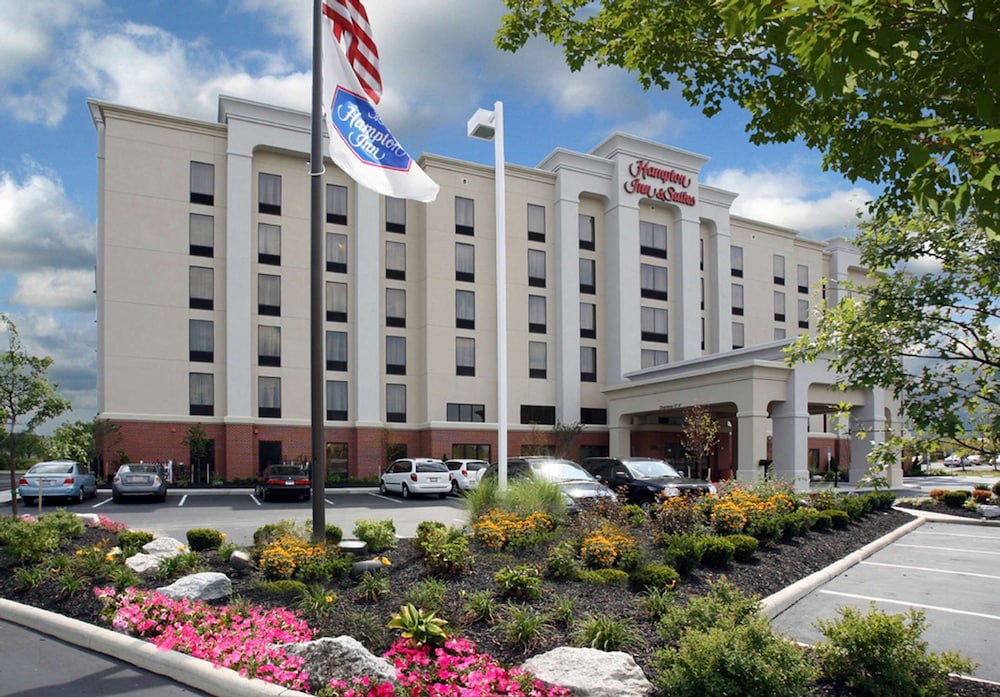
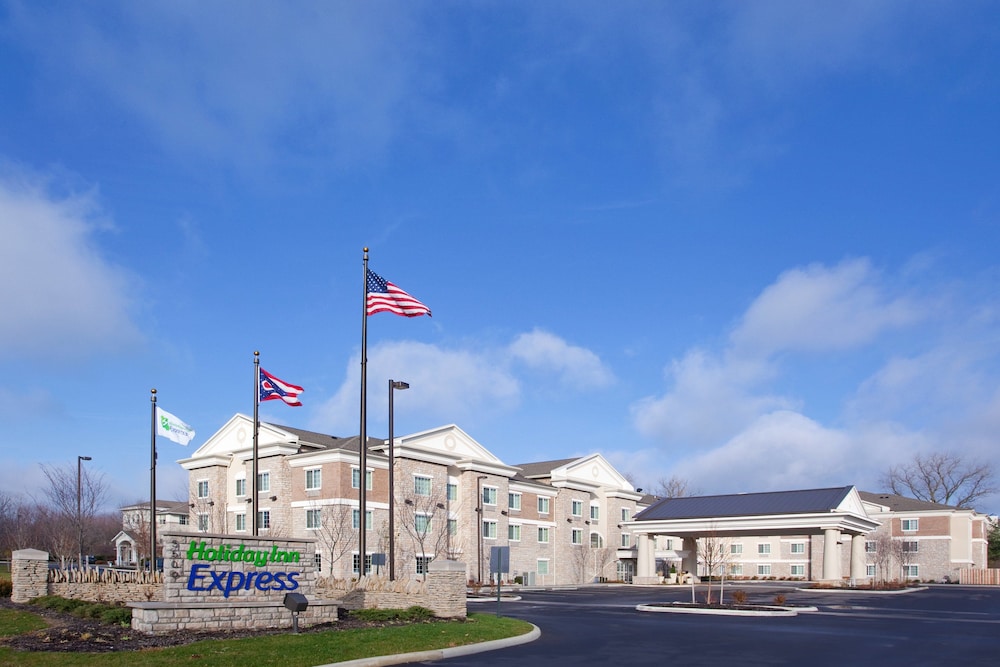
Upper Arlington itself has very little hotel stock, so most visitors stay in the chain properties along the Olentangy River Road corridor, near the bypass or towards Dublin, typically $110 to $190 a night midweek and considerably more on Ohio State home weekends. Newer builds, roughly post-2010, tend to have the better accessible rooms: wider doors, lower thresholds and at least one roll-in shower per property. Older stock frequently offers only a tub with a grab bar and a portable bench, which is a different product entirely.
Never book an accessible room through a third-party site without phoning the property directly to confirm the specifics: roll-in shower versus tub, bed height and whether the frame is open underneath for a hoist, door widths, whether the accessible bay is under cover, and whether the pool has a lift. Ask them to note the request on the reservation and email you confirmation. Mobility equipment hire — chairs, hoists, scooters — is available from Columbus-area suppliers with a few days' notice, and delivery to a hotel is normal practice.
Before you book
What people ask before booking Tremont.
Yes. The fleet is low-floor with ramps, kneeling suspension and securement positions, and stops are announced. Routes serve the edges of Upper Arlington along corridors like Lane Avenue and Kenny Road rather than the residential interior. Check current route numbers, frequencies and fares with COTA before you rely on a specific journey.
Usually yes, for a limited visitor period, under federal ADA rules, but you must arrange it with COTA Mainstream in advance and supply documentation from your home agency. It is not same-day. Trips are booked at least a day ahead, so it suits scheduled appointments rather than spontaneous plans.
Ohio recognises out-of-state disability placards and plates for use in accessible bays. Rules on time limits and metered parking vary by municipality, and Upper Arlington has no meters anyway. Keep the placard visible, read posted signs, and check specifics with the city or the Ohio Bureau of Motor Vehicles.
Northam Park on Tremont Road, for level paved paths, an adjacent accessible library, toilets and parking bays within 30 metres of the lawn. If you want a longer paved loop, drive to Antrim Park off Olentangy River Road instead, where a mile-long flat circuit links to the paved Olentangy Trail.